

Last updated: July 2026
By Abhay Gautam
Ask ten trekkers when the best time to trek in Nepal is, and nine will say autumn. The tenth will say autumn too, but louder, as if repetition makes it more true. It’s not wrong — autumn is genuinely excellent — but “the best season” is doing a lot of quiet work in that sentence, because it depends entirely on what you’re trying to get out of the trip. Clear summit views? Fewer people on the trail? Rhododendrons the color of a fire alarm? Cheaper teahouses? Those don’t all happen in the same three months.
So instead of one tidy answer, here’s the honest version — season by season, month by month, and which trek actually fits which window.
How Nepal’s Trekking Seasons Actually Work
Nepal has four real trekking seasons, and they’re shaped less by “good” and “bad” weather than by trade-offs:
- Autumn (Sept–Nov) — the crowd favorite: stable weather, sharp mountain views, and yes, more people on the trail than you’d like.
- Winter (Dec–Feb) — cold, clear, and quiet. Great for lower-altitude treks, tougher above 4,000m.
- Spring (Mar–May) — the other peak season, and arguably underrated: warmer, greener, and timed with rhododendron bloom.
- Monsoon (Jun–Aug) — wet in most of the country, but a genuinely good window for the rain-shadow regions everyone assumes are off-limits.
None of these is objectively “the” answer. Below is what each one is actually like on the ground.
Autumn (September–November): The Reliable Favorite
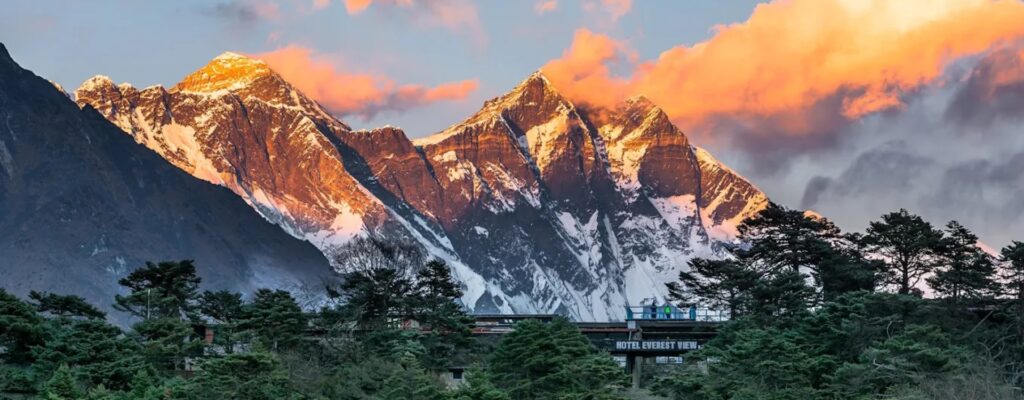
This is peak season for a reason. The monsoon clears out by mid-September, leaving weeks of stable weather, dry trails, and the kind of visibility where distant peaks look almost suspiciously close. Days are warm enough to trek comfortably; nights are cold but manageable at most altitudes.
It’s also, unsurprisingly, the busiest window on Everest and Annapurna’s main routes — Lukla’s airport runs like a conveyor belt, and teahouses fill up fast in October. If you’re set on these classics and want the postcard version of them, this is your window. Just book ahead, because so has everyone else.
Best for: Everest Base Camp, Annapurna Circuit, Manaslu Circuit, first-timers who want reliable weather over solitude.
Winter (December–February): Cold, Clear, and Blissfully Uncrowded
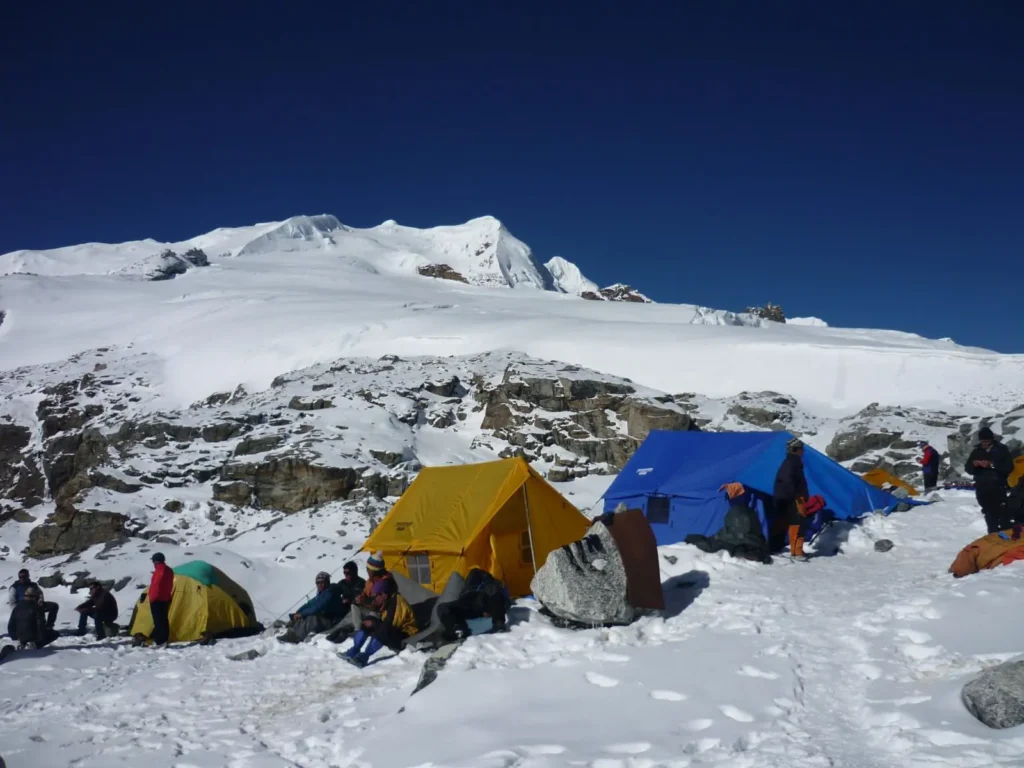
Winter gets unfairly written off. Yes, it’s cold — properly cold, especially above 3,500m, where nights can drop well below freezing. But the trade-off is real: near-empty trails, dramatically discounted teahouses, and some of the clearest skies of the year, since cold air holds less haze than the warmer months.
High passes (Manaslu’s Larkya La, Everest’s Three Passes) can close or become genuinely risky in heavy snow, so this isn’t the season for the most extreme routes. But lower and mid-altitude treks — Ghorepani Poon Hill, Mardi Himal, Langtang Valley — are excellent, and you’ll likely have long stretches of trail entirely to yourself, which is its own kind of luxury.
Best for: Poon Hill, Mardi Himal, Langtang Valley, trekkers who’d rather have the mountain to themselves than a warm sleeping bag.
Spring (March–May): The Season Autumn Gets All the Credit For
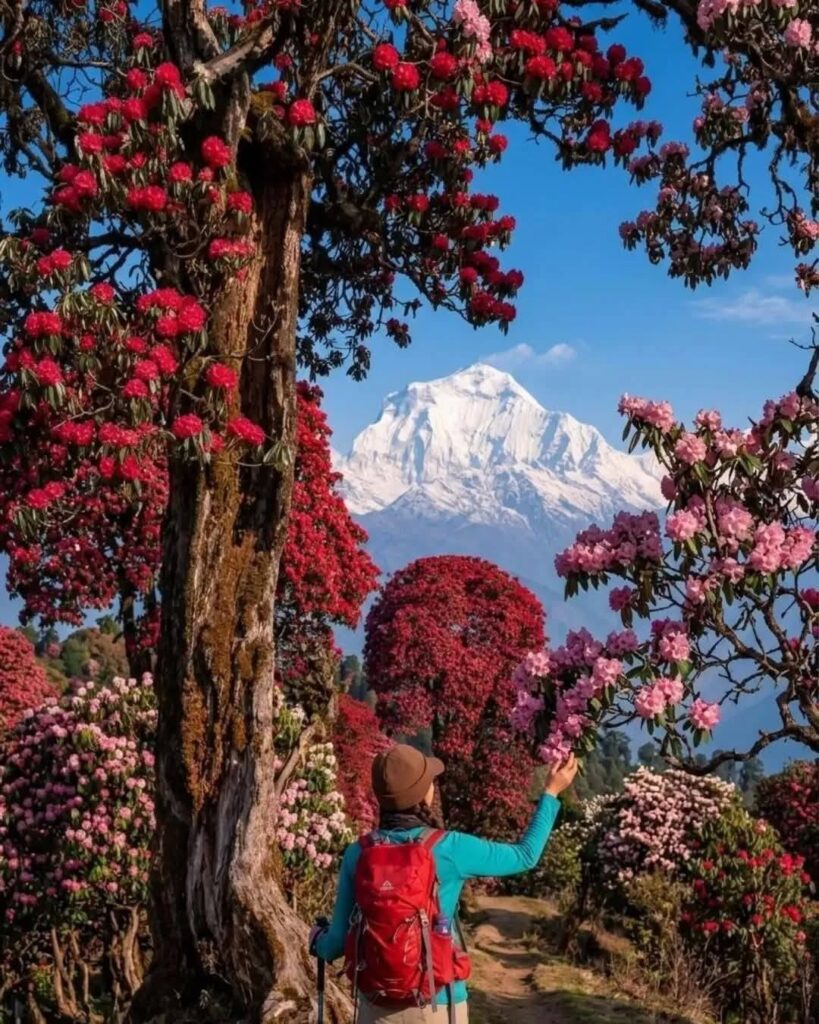
Spring is autumn’s quieter, greener sibling — and honestly just as good, if not better in places. Rhododendron forests bloom through March and April, turning entire hillsides shades of red and pink that no filter can improve on. Days warm up, snow starts melting off the higher passes, and the whole country feels like it’s exhaling after winter.
Late spring (May) can bring pre-monsoon haze and the occasional afternoon shower, so if crystal-clear mountain views are your main goal, aim for March–April rather than late May.
Best for: Annapurna Base Camp, Ghorepani Poon Hill (rhododendron season is unbeatable here), Everest Base Camp for those who’d rather dodge the autumn crowds. T
Monsoon (June–August): The Season Everyone Skips (Mostly Correctly)
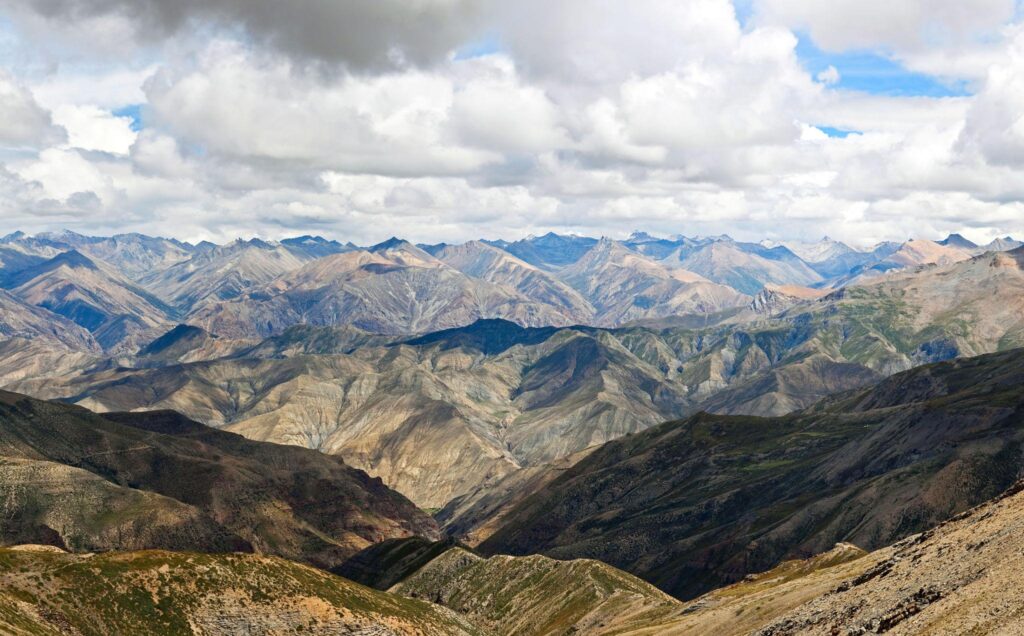
Monsoon is genuinely difficult in most of Nepal — muddy trails, leeches at lower elevations, and clouds that erase mountain views for days at a time. Most agencies, ours included, will steer you away from the classic routes during these months, and that’s good advice.
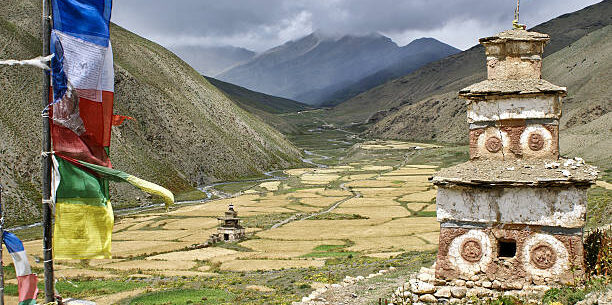
But there’s a real exception: the trans-Himalayan, rain-shadow regions — Upper Mustang and Upper Dolpo — sit north of the main range, where the monsoon clouds simply don’t reach. While the rest of the country is under cloud cover, Mustang is dry, sunny, and arguably at its best. It’s one of the few times of year you can trek in near-guaranteed clear weather while everyone else assumes trekking season is over.
Best for: Upper Mustang, Upper Dolpo. Best avoided for: pretty much everything else.
Month-by-Month at a Glance
| Month | Conditions | Good for |
|---|---|---|
| January | Cold, clear, quiet | Lower-altitude treks, solitude seekers |
| February | Still cold, days lengthening | Poon Hill, Mardi Himal |
| March | Warming up, rhododendrons starting | Annapurna region, Everest Base Camp |
| April | Peak rhododendron bloom, stable weather | Annapurna, Everest, Langtang |
| May | Warm, some pre-monsoon haze | Higher passes before monsoon sets in |
| June | Monsoon begins in most regions | Upper Mustang, Upper Dolpo |
| July | Wettest month countrywide | Upper Mustang, Upper Dolpo only |
| August | Monsoon continuing, brief clear spells | Upper Mustang, Upper Dolpo |
| September | Monsoon clearing, trails drying out | Manaslu, Annapurna, early autumn treks |
| October | Peak season, clearest skies | Everest Base Camp, Annapurna Circuit |
| November | Still excellent, cooling fast | All major treks, before winter cold sets in |
| December | Cold arrives, crowds thin out | Lower-altitude treks, quiet trails |
Which Trek Fits Which Season?
| Trek | Best Season(s) | Also Workable |
|---|---|---|
| Everest Base Camp | Autumn (Oct–Nov), Spring (Mar–Apr) | Winter (lower sections only) |
| Annapurna Circuit / Base Camp | Autumn, Spring | Early winter at lower altitudes |
| Manaslu Circuit | Autumn (Sept–Nov) | Spring, with caution on the pass |
| Ghorepani Poon Hill | Spring (rhododendrons), Autumn | Winter — genuinely good year-round |
| Langtang Valley | Autumn, Spring | Winter at lower elevations |
| Upper Mustang | Monsoon (Jun–Aug) | Spring, Autumn |
| Upper Dolpo | Monsoon, Autumn | Late Spring |
For what each of these actually requires in terms of permits and paperwork, see our Nepal Trekking Permits Guide, and for a full cost breakdown by season, our Nepal Trekking Cost Guide
A Word on Festivals
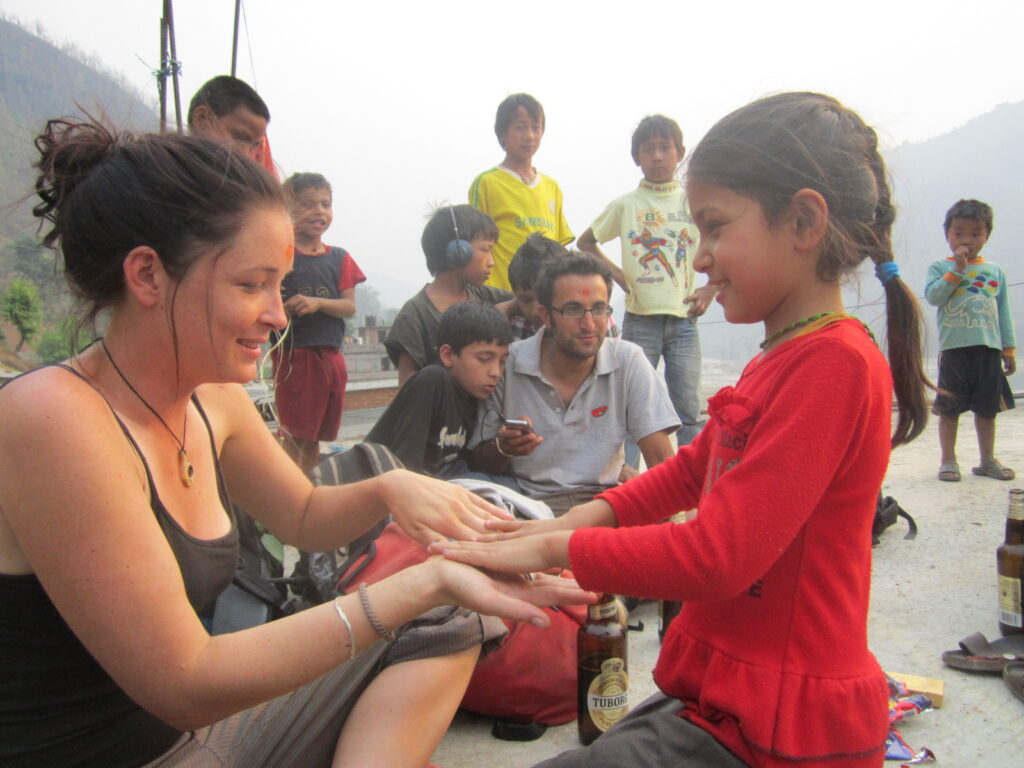
Weather isn’t the only calendar worth checking. Nepal’s biggest festivals — Dashain and Tihar, usually falling in September and October — bring a different kind of trekking experience entirely: villages decorated, families gathering, and a warmth on the trail that has nothing to do with the temperature. Trekking through this period means smaller crowds in some regions (many locals travel home for the holidays) and a rare window into daily life that a “best weather” calendar alone won’t tell you about. If experiencing Nepal’s rhythms matters as much to you as the summit photo, it’s worth timing your trip around one of these.
Frequently Asked Questions
Is autumn really the best time to trek in Nepal?
For reliable weather and clear views, yes — it’s hard to beat. For fewer crowds and a similar experience, spring is a close second.
Can you trek in Nepal during monsoon season?
Not recommended for most regions, but Upper Mustang and Upper Dolpo are genuine exceptions, since they sit in the Himalayan rain shadow.
Is winter too cold for trekking in Nepal?
For high passes above 4,500m, yes, conditions can be risky. For lower-altitude treks like Poon Hill or Mardi Himal, winter is cold but very manageable, and trails are far quieter.
What’s the cheapest season to trek in Nepal?
Winter and monsoon (outside Mustang/Dolpo) tend to have the lowest teahouse and flight prices, since demand drops off.
When do the rhododendrons bloom?
Typically March through April, peaking in the mid-altitude forests of the Annapurna and Langtang regions.
Final Thoughts
There’s no single best month to trek in Nepal — there’s a best month for the specific version of the trip you’re picturing. Autumn for the classic postcard. Spring for the same views with fewer strangers in them. Winter for silence and a good headlamp. Monsoon, if you know where to point yourself, for a version of the mountains almost nobody else is seeing that week.
What doesn’t change with the season is the part that actually stays with people afterward — a teahouse owner remembering your name on the way back down, a shared thermos of tea at 4,000 meters, a village mid-festival pulling you in like you’d always been invited. That’s less about the calendar and more about who you trek with, and how much room the trip leaves for those moments to happen.
Not Sure Which Season Fits Your Plans?
Tell us roughly when you’re free and what you’re hoping to see, and our team at will match you to the right trek and the right month — no guesswork required. Get in touch and we’ll build the itinerary around your calendar, not the other way around.
There isn’t a perfect season to discover Nepal. There is only the season that becomes part of your story.
Leave a Reply
You must be logged in to post a comment.