

Amusement, joy, happiness and blissfulness and so on, these are the words that come up in our minds when we think of a festival. As Nepal is a land of many ethnic groups, it is obvious that the number of festivals that are celebrated in this country is high. Most of the festivals are celebrated nationwide, however- some of them particularly belong to a specific community. Plus, there will always be a religious and historical belief behind each festival. Therefore, visiting Nepal and being able to catch up with these festivals will give you an in-depth experience of the Nepalese culture along with a hearty remembrance.
Month Wise Festivals in Nepal
January
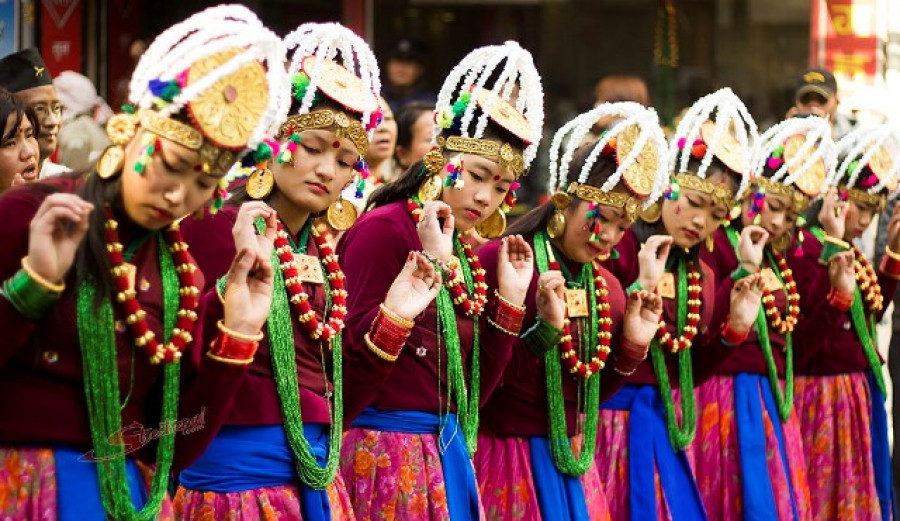
Although these festivals bring immense joy, there comes a slight problem as few things might close down during these days. Thus, either way, you will need to have some basic information about the festivals that are celebrated in Nepal. Starting with January, we have Losar- which is also known as the Tibetan New Year. Tibetan monasteries will have their distinct celebrations and rituals starting from a day before Tibetan New Year’s Eve.
February and March
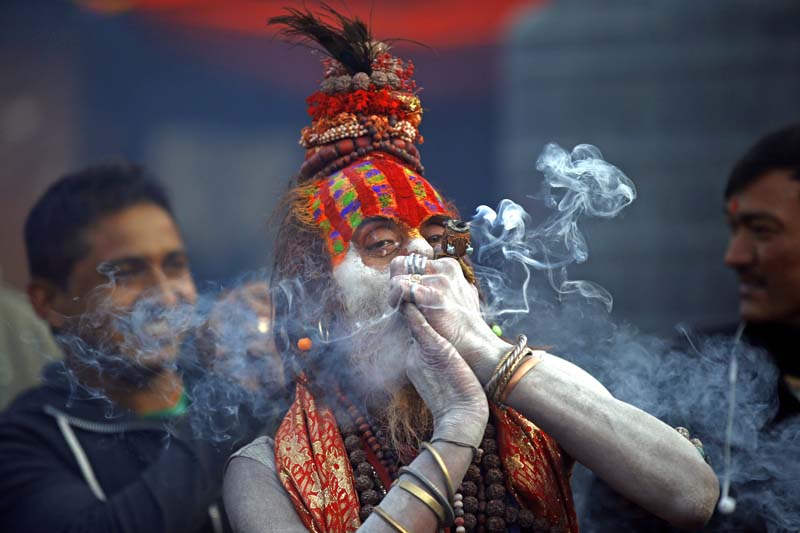
During February or March, the Mahashivaratri- one the main festival of Hindus, is celebrated. The Pashupatinath Temple, on this day, will be immensely crowded since the festival is devoted to Lord Shiva marking a memory of overcoming darkness. Not only is this, but the festival of colors, known as Holi, also celebrated during March. This is one of the most-awaited and entertaining celebrations lasting for two days- first in the hilly belt and secondly in the Terai belt. During this day, all you will see is splattering colors and water fights.
April-July
We celebrate our Nepali New Year which, in our language is called Navavarsha or Naya Barsha that falls during April. A grand celebration takes place in Bhaktapur as Bisket Jatra. The town will have gigantic chariots of orange color known as ‘Sindur’ floating in the air. You can also experience Buddha Jayanti, another festival celebrated in April or even May, as a reminder of the day when Buddha was born in Lumbini. The Swayambhunath, the Boudhanath, and Lumbini- being the famous Buddhist cultural sites, are embellished pleasantly for the celebration.
August
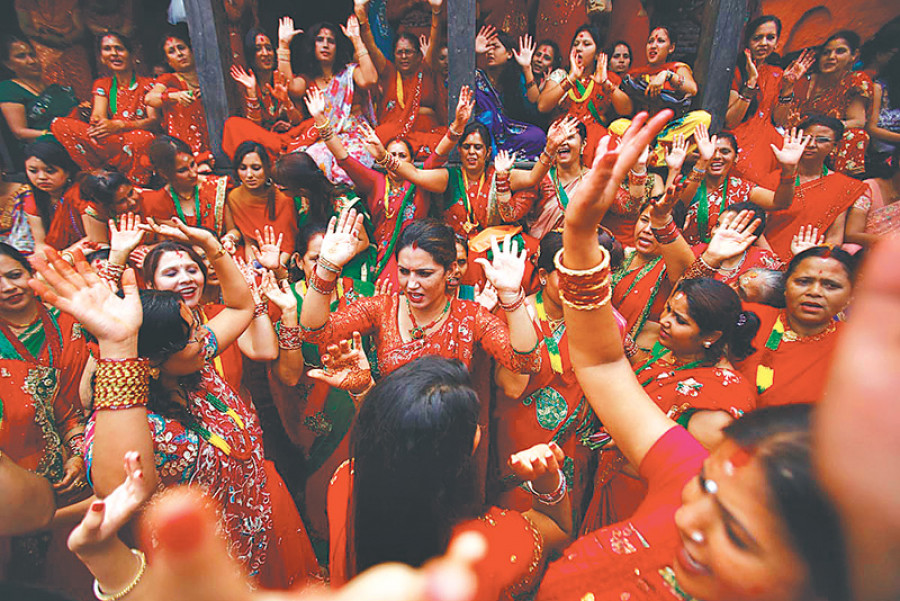
Likewise, festivals celebrated during the August month include Janai Purnima and Gai Jatra. Janai Purnima is also called the ‘Sacred Thread Festival’, whereas Gai Jatra is known to be ‘The Festival of Cows’. This festival is celebrated to pay respect to the deceased members of a family. You will see colorful costumes and colors with crowded people in the Kathmandu valley. Nepal is never out of these types of enjoyable festivals. ‘Festival of women’, especially known as Teej, is another colorful and delightful celebration that falls during September. All the women in town dress up in bright red dresses, actively participating in the ritual.
September-December
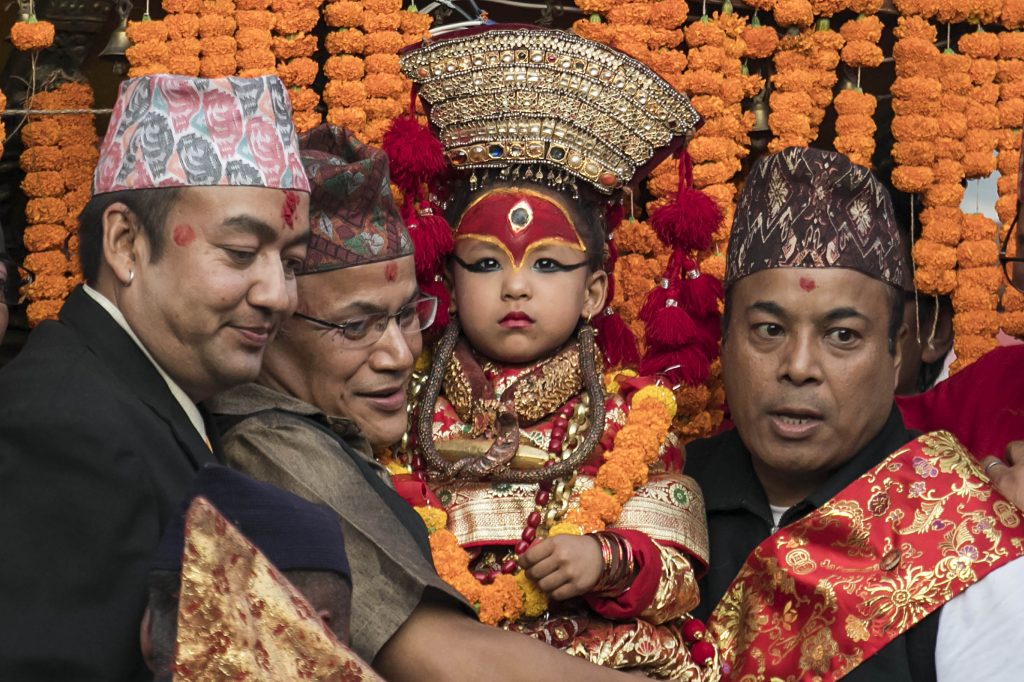
Indra Jatra and Kumari Jatra are the largest festivals in Nepal with an enormous crowd in Kathmandu celebrated in September. Every street is filled with people; huge chariots are pulled, giving you an astonishing experience. The most important festival in Nepal is ‘Dashain’ and ‘Tihar’ which generally fall in the middle of September to November. ‘Chhath Parva’ is another important festival in Nepal which is celebrated in November. This festival is widely celebrated in the Terai region, where worshipping of the sun god- known as ‘Surya’ is done.
By now, it is almost clear that Mid-September to November can be stated as the best festive season in Nepal as the numbers of festivals celebrated during these months are comparatively higher. I can say that the first question popping in your mind right now is about the differences in dates. But the fact is that these festival dates vary every year since they follow the Nepali calendar or are lunar based. Now let us scoop a bit deeper into the biggest festival of Nepal that is celebrated by every Nepali citizen with the same devotion and enthusiasm-
Dashain Festival
Dashain is a 10-day celebration marking Goddess Durga’s victory over evil. Families unite together, take a leave from their tight schedule and busy work life, getting the best out of these two weeks. There is a strong belief about Goddess Durga who killed the demon called Maisasur symbolizing god’s victory over demons. Even during these ten days- the first, seventh, eighth, ninth and tenth days are the vital ones. Each having their own sets of rituals, these days are named as such- Ghatasthapana, Phool Pati, Mahaastami, Navami and Vijaya Dashami.
The festival starts as Ghatasthapana by the planting of Jamara, which is a maize/paddy plant. Following all the rituals, animal sacrifices are made with the belief of pleasing Goddess Durga. The 35 meter high Taleju Temple, which is not open to the public, can only be visited during the ninth day of this festival. It is the tenth day when people pave their way to their elders to receive tika and their blessings. A tika is a blend of red powder and rice, as the red color symbolizes the blood that ties the family together. This ritual marks the renewal of family bonding, which is one of the main reasons why people are so devoted to this festival.
Let’s not forget to highlight the gigantic bamboo swings; they are normally constructed a week before Ghatasthapana. These swings are so huge that their height exceeds twenty feet. Age is not even a matter for people to enjoy this thing. Flying kites, playing cards, wearing new clothes and having a feast almost every day is the way people entertain themselves and enjoy every moment of these two blissful weeks.
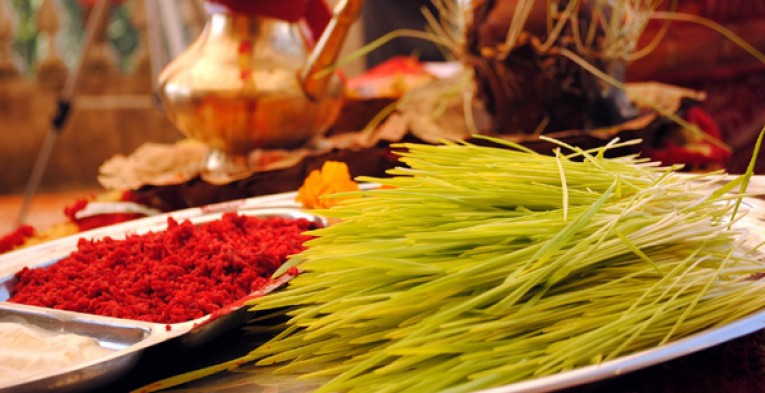
Tihar Festival
Just after 21 days of Dashain, we are accompanied by a 5 day long celebration known as Tihar. This festival is also known as ‘Deepawali’ or ‘The Festival of Lights’. The name in itself is joyous, isn’t it? Our houses illuminate at night as the oil-lamps, known as ‘diyas’, are lit inside and outside the houses. After Dashain, this is known to be the second biggest Nepalese festival. Usually, most of our festivals are devoted to the gods, but this one includes the rituals to worship animals like crows, cows and dogs, having symbolic relationship with humans. A special colorful pattern called ‘Rangoli’ is meant to be a sacred way of welcoming Goddess Laxmi, made using colored rice, dry flour or even flower petals.
The very first day of this celebration is known as ‘Kaag Tihar’, meaning the day when crows are worshipped by offering them sweets and dishes on the roofs to avert grief and death in their homes. The second day is the day to celebrate the beautiful relationship between dogs and humans, known as ‘Kukur Tihar’. Since dogs hold a special place in our Hindu myth, they get very special treatment on this day.
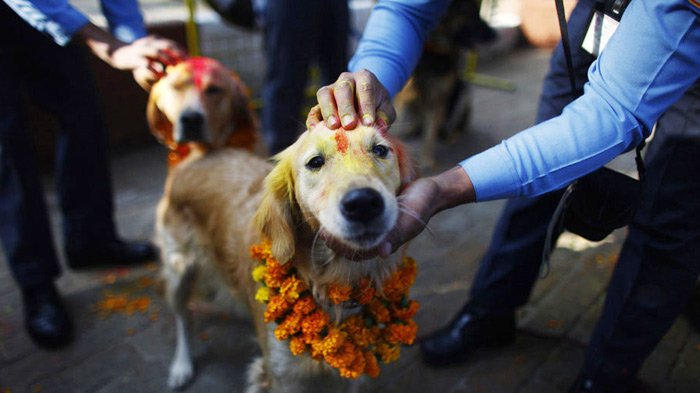
Likewise, a cow signifies wealth and prosperity. Thus, the very morning of the third day is known as ‘Gai Tihar’. The houses are decorated and well prepared for the evening to worship goddess Laxmi, thanking her for the well-being and prosperity of the family.
Apart from these rituals, young people have a blast by singing and dancing all night long, visiting every house in the neighborhood, collecting money and/or gifts. This tradition is known as ‘Deusi and Bhailo’.
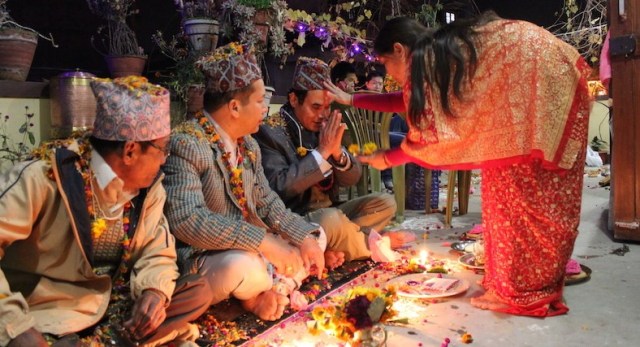
Similarly, on the fourth day, the rituals performed differ depending on the people’s cultural background. The final day is a very special day known as ‘Bhai Tika’, which defines an unbreakable bond between brothers and sisters. On this day, sisters worship their brothers, thanking them for their love, care, support and protection by praying for their long lives. This distinctness and uniqueness in our cultures and rituals are what make them different from the rest of the world.
Conclusion
If these festivals can shower you with the best experience of new culture and tradition, capturing your mind with refreshments, then why not try it? All you need to do is pack your backpack and come visit Nepal during these festive seasons.
Leave a Reply
You must be logged in to post a comment.